Adult Inclusion Screening Tool (AIST)
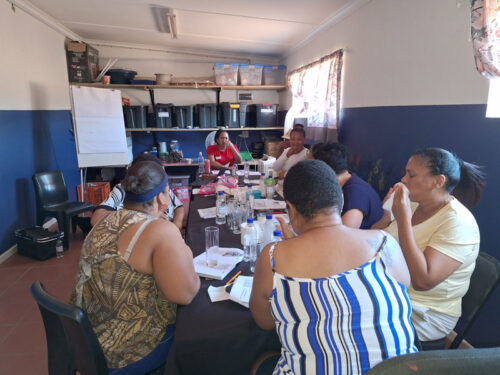
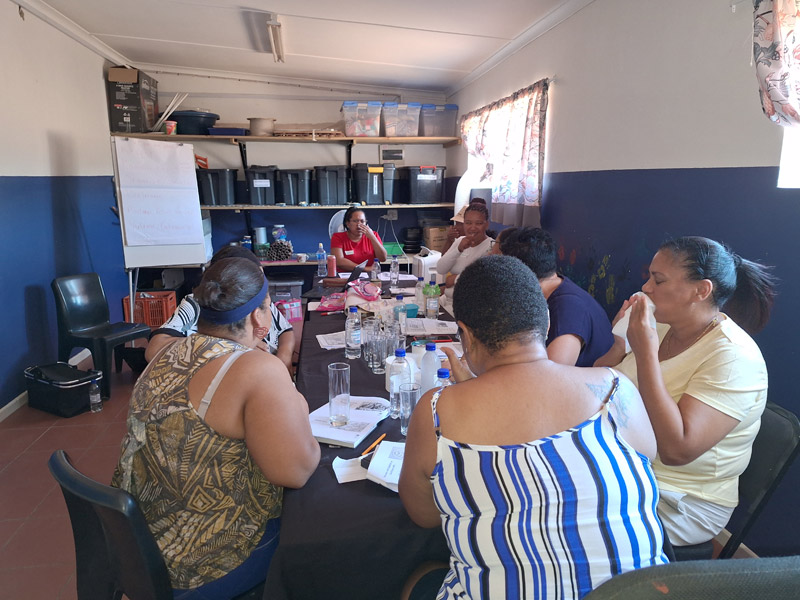
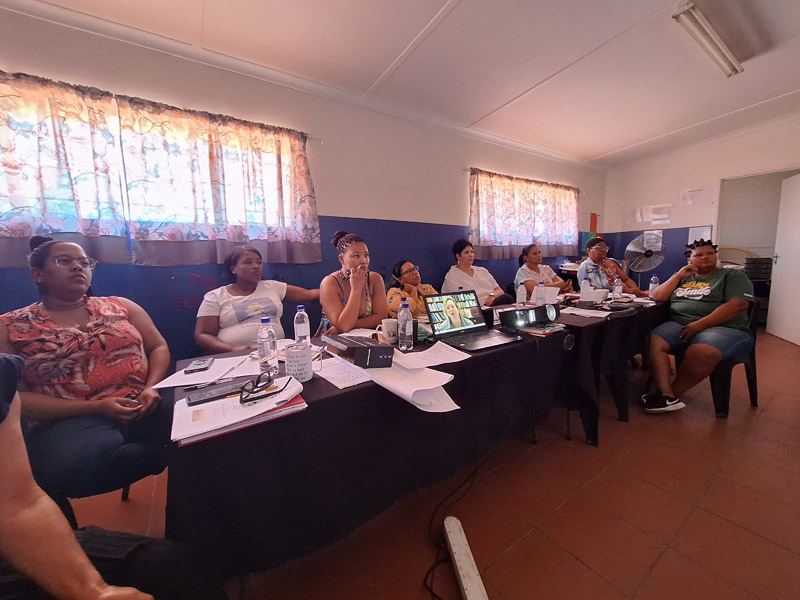
Unlock the potential of individuals with disabilities and empower their inclusion in Skills and Work Centres and Adult Day Care Programmes. The Adult Inclusion Screening Tool (AIST) training module is a comprehensive resource that supports psycho-social support team members to confidently conduct thorough screenings, create personalised plans, and foster a safe and supportive environment for persons with disabilities.

About AIST
AIST was specifically designed for WCAPD by Louise Fouche Occupational Therapy to determine if a person with a disability will benefit from participation in a Skills and Work Centre or an Adult Day Care Programme. The AIST screening tool aims to answer two key questions:
- Can the person with a disability function in a Skills and Work Centre?
- Would they benefit more from rehabilitation services or an adult day care centre?
While AIST provides valuable insights, it is essential to note that it is not comprehensive enough to set up an all-inclusive Individual Development Plan (IDP). However, it can inform and guide goal setting and task selection once a person is admitted to a Skills and Work Centre.
Benefits of AIST
AIST plays a vital role in assessing individuals with disabilities for participation in either a Skills and Work Centre or an Adult Day Care Programme. The primary focus in designing and developing the AIST was to ensure that clients not only benefit from, but also contribute to, Skills and Work Centres and the mainstream economy.
Safety was a critical consideration, ensuring that clients attending a Skills and Work Centre are not placed in harm’s way. This means that clients must be able to complete some basic Activities of Daily Living (ADL) tasks independently and be mobile, even if it requires an assistive device. Unlike adult care centres, Skills and Work Centres do not have assistants available to help clients with mobility or ADL tasks such as eating, drinking, and toilet routines.
Therefore, clients needing such assistance do not qualify for Skills and Work Centres, as their inclusion could create safety risks.
It’s important to distinguish between assistants and supervisors within the Skills and Work Centre context. An assistant is someone who helps a client with tasks they cannot complete independently, whereas a supervisor oversees the client’s work, ensuring quality and providing guidance, but the client can perform the tasks independently.
Contact our offices for more information on training opportunities and the distribution of AIST at Tel: 021 555 2881 or email director@wcapd.org.za.
R0,00Add to cart